



Many businesses are born from an idea too good to pass up. Whether it’s a brilliant invention, a unique twist on a classic, or a trending product with tons of market potential, a product idea is usually the first step to entrepreneurship.
But what if your desire to become an entrepreneur comes before your big idea? How do you find a product to sell when you’re starting from scratch? The process can seem intimidating, especially when it seems like every product possible is already available online.
Still, new brands emerge every day, proving there’s still room in the market for your idea. By conducting product research, watching trends, and evaluating customer demand, you can find a profitable product and build your own brand around it. Ahead, learn how to find a product—and an audience to sell it to.
Table of contents
What is product research?
Product research refers to the process of gathering information and data about a product and the current market for it. This includes research about brands who sell it (competitors), their customers, and the industry at large. Product research also involves analyzing that information to answer specific questions about the product, like market demand, viability, and the best sales channels.
Product research is beneficial for new businesses looking for their first product, but it’s also a valuable tool for growing brands. It can help validate the move into new products or categories with a strategic approach that can help a brand avoid pitfalls and stay ahead of the competition.
16 ways to find a product to sell
- Solve a pain point
- Spot trends before they emerge
- Appeal to niche interests
- Address an underserved market
- Follow a personal passion
- Consider your professional experience
- Find product opportunities in keywords
- Leverage social media
- Browse online marketplaces
- Improve an existing product
- Research products with higher profit margins
- Meet the demand for sustainability
- Attend trade shows and fairs
- Consider personalization
- Analyze international markets
- Get inspired by social change
1. Solve a pain point
Many profitable products on the market aim to solve a problem (or pain point). In assessing customer demand for a product, pay attention to challenges people have with the products around them. Social media and customer review sites are great places to mine for ideas.
Solving a pain point isn’t always inventing a new product altogether. Sometimes, you’ll be able to identify a gap in your competitors’ approach to that product’s design, or a pattern of poor customer service in a particular industry.

How can you iterate on an existing idea to solve a common frustration? Gloria Hwang did just that when she built her brand, Thousand. She found many cyclists who didn’t wear helmets cited style as one of their reasons. “If you can make a helmet people actually want to wear, you can help save lives,” she says. Gloria’s brand focused on style—and safety—to reinvent an everyday product.
2. Spot trends before they emerge

Here are a few ways to keep an eye on products with trend potential so you can act on the opportunity:
- Social media: This can be as basic as scanning trending hashtags and following influencers in a specific genre. Most platforms have a trending tab or section. You can also use social listening tools to identify and monitor trends over time.
- Google Trends: Here, you can see the popularity of trends over time. As with fashion, trends tend to cycle back around, and Google Trends may be able to help you predict the next wave.
- Trade publications: Publications within your field may have insights or trend predictions based on research and historical trends.
- Current events and pop culture: Profitable product opportunities may be found by following the media about what’s happening in the world. Trends often emerge from popular TV shows or world events.
- Technological advances: New technology can spark customer demand for products that use it. Consider the surge of “smart” appliances and devices that come to market after every advance in AI and machine learning.

Miguel Leal identified a trend in one industry and repackaged it for another. His brand Somos found that supermarket Mexican food products weren’t advancing alongside his favorite Mexican restaurants. Miguel took trends from popular restaurants and brought them to the grocery aisles.

3. Appeal to niche interests
When people are passionate about a particular hobby or interest, they’re usually more inclined to invest money to get the exact product they want. This is why understanding your target market is important. This is an easier task if you’re selling to a group you belong to. Do you play pickleball or attend a weekly knitting circle? Chat with fellow enthusiasts to learn their preferences and pain points.
Narrowing in on a niche may mean a smaller market, but it could be a loyal one if you nail the product-market fit. This approach can be even more successful if you find a niche underserved by the current products on the market.
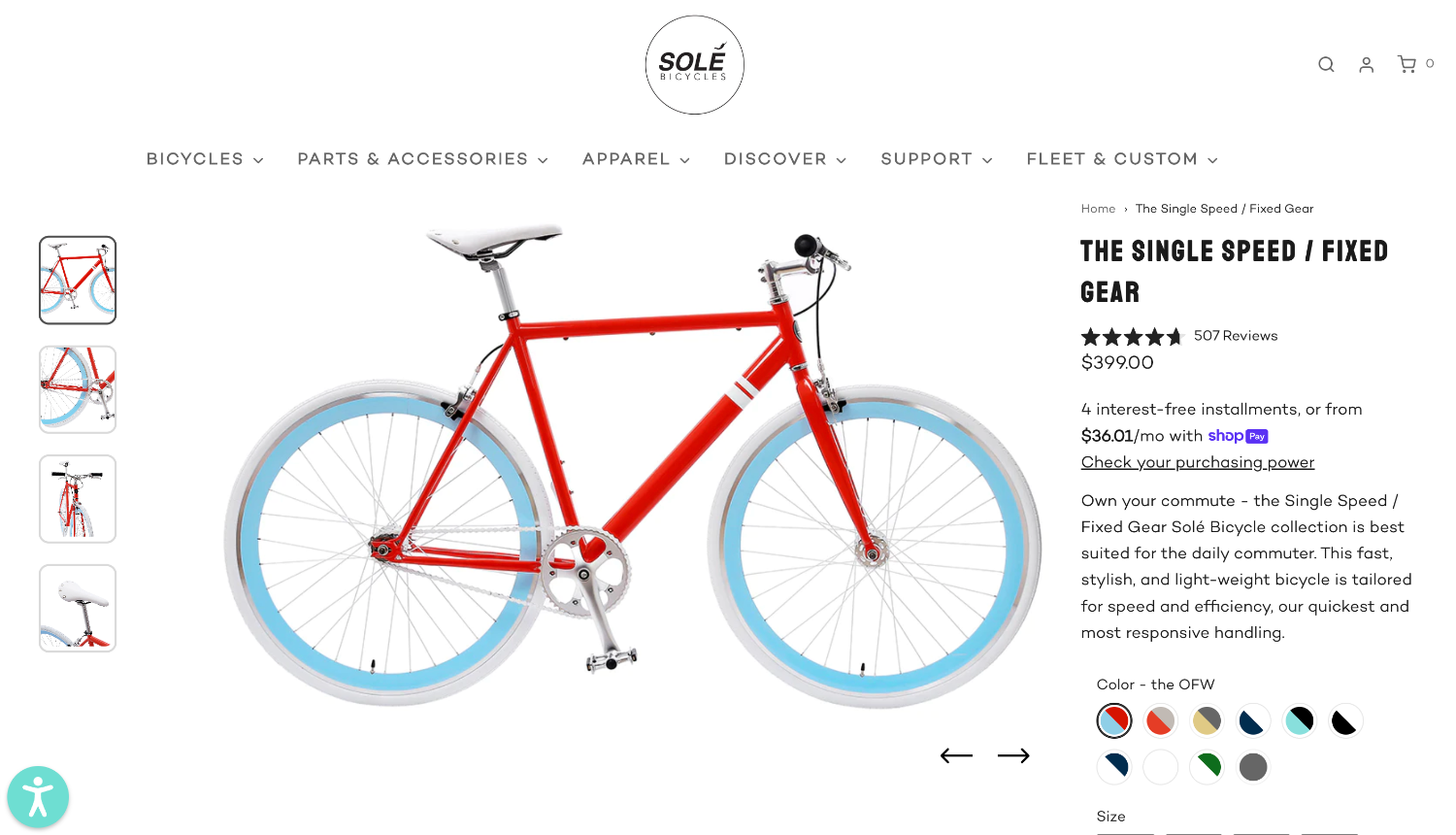
Solé Bicycles doesn’t just sell to cyclists. The brand designs products for those who view their rides as a “mobile canvas” to represent their personality and style. That’s why a wide array of bold color options are essential to Solé’s offering and aspirational lifestyle imagery is central to its marketing.
4. Address an underserved market
Underserved markets aren’t limited to hobbyists with niche interests. They can also include entire demographics of people ignored by the current brands on the market. For example, LGBTQ+ people may discover the wedding industry doesn’t always cater to their needs, more often offering products designed for hetero unions. Uncovering gaps like these can help you find a product customers want.

Yelitsa Jean-Charles identified a gap in the toy market for dolls for Black kids that celebrated curly hair. She designed Health Roots Dolls to create a product that she would have wanted as a kid—one that taught girls to love and style their own hair. “When you’re ignored by the mainstream media, you have to become a problem solver,” says Yelitsa.
5. Follow a personal passion
Choosing a niche based on your own interests is one of the most common entries into entrepreneurship. Many businesses have sprung from hobbies including makers who scale their craft to sell handmade goods online.
Founder-market fit matters, because you’ll be better equipped to stay motivated and overcome hurdles of building a business if you’re deeply invested in what you’re selling. And, you’re more likely to understand your target market when you already embody your ideal buyer persona.

Sarah Chisholm’s career as a dancer ended abruptly. That’s when she turned to a passion to create a new path for herself. She spun her love of food into Wild Rye Baking Magic, a brand that sells premium cake, frosting, and pancake mixes. Relying on existing knowledge and contacts, Sarah built her business with support. “Nobody is going to know your local community better than you,” she says.
6. Consider your professional experience
Past experience can go a long way to helping you succeed in a future business. Did you leave a career as a coach? Try finding a product with an amateur athlete audience. Have experience in teaching? Create a suite of courses to sell online as digital products. Your experience means you’ll understand your audience, have contacts in the industry, and can easily gain trust due to your expertise.
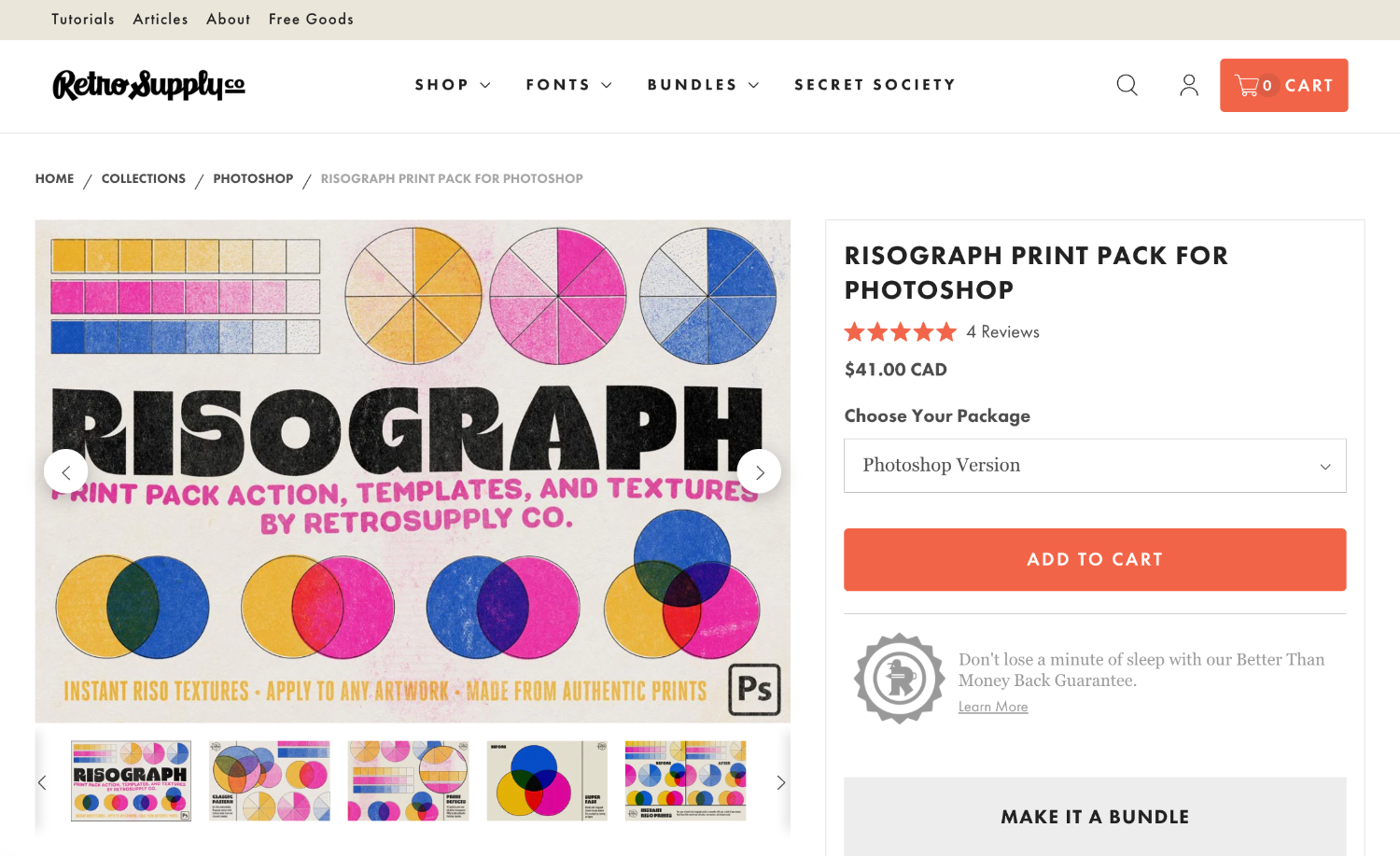
RetroSupply is a brand that sells vintage-inspired fonts and other design assets for graphic designers and illustrators. Founder Dustin Lee pivoted from running a freelance web design shop to generating more passive income through RetroSupply’s selection of digital products.
7. Find product opportunities in keywords
Gaining organic traffic from search engines is a great way to grow a business. But with plenty of competition and Google’s ever-changing algorithm, SEO can be daunting for new business owners.
However, you can use keyword research to find opportunities where the search volume is high (meaning the product is something people want) and competition is low (meaning it will be easier to rank for the term). There are several keyword research tools and browser extensions you can try—some are even free.
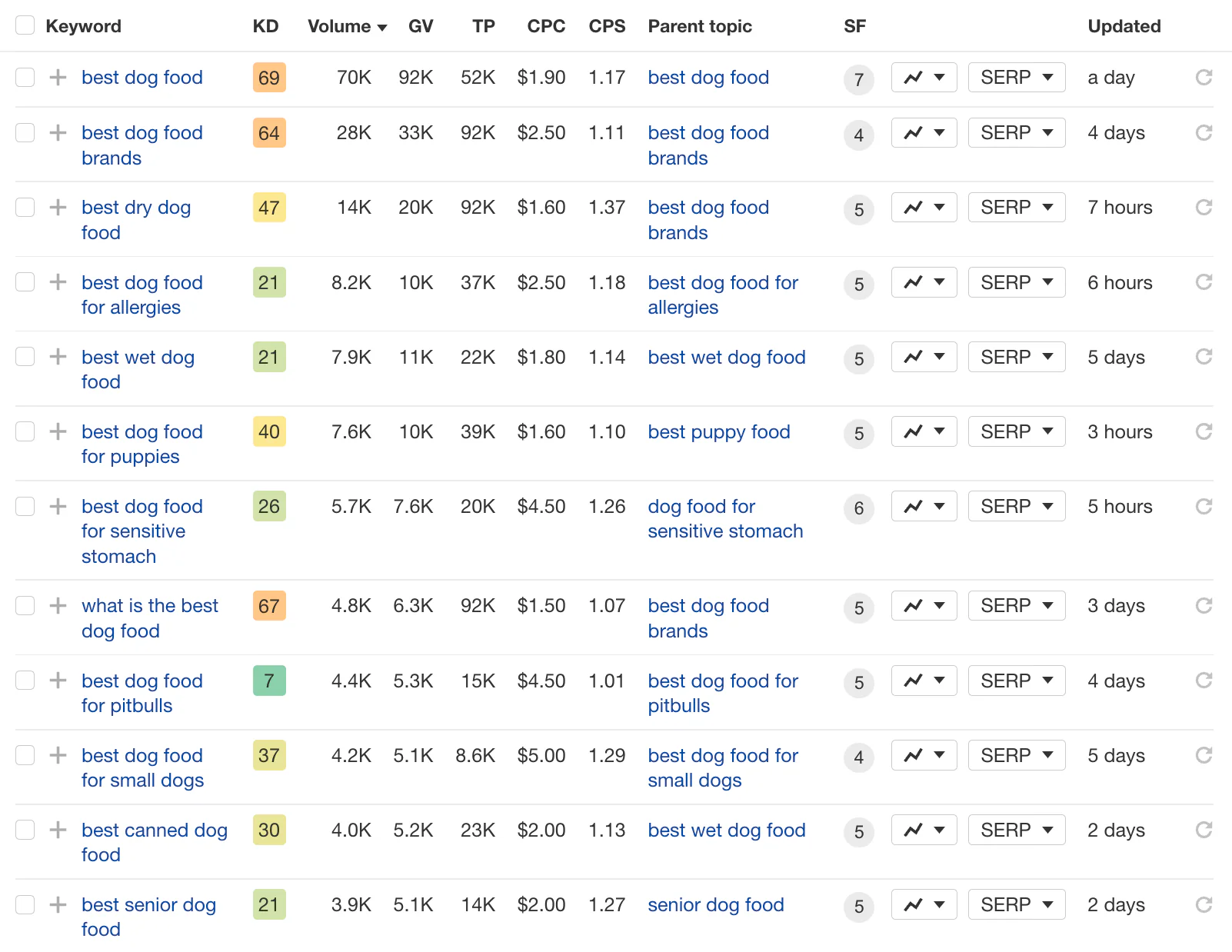
Remember that Google isn’t the only place where people start their search. Increasingly, social media platforms are the places where consumers—especially younger Gen Alpha and Gen Z shoppers—turn to for product discovery. Pinterest, Instagram, and TikTok search data can be great sources for product ideas for these demographics.
8. Leverage social media
While you’ve learned that social media can be a great place to spot trends and conduct keyword research, it’s also a great platform for testing your ideas, learning about audience behavior, and getting inspired.
Mush Studios co-founder Jacob Winter stumbled upon his business idea when his rug-making TikTok videos went viral. The interest in his creations told him there was a market for his hobby. Since he had already built an audience as a creator, he understood how to speak to—and sell to—them.
9. Browse online marketplaces
While it’s possible to sell on Amazon, Etsy, and eBay alongside your standalone Shopify store, you can also use these marketplaces strictly for research. Within each, you’ll find lists designed for shoppers that can uncover insights for product opportunities. Here are a few links to get you started:
- Amazon Best Sellers
- Amazon Most Wished For
- Amazon Movers & Shakers
- Etsy Most Wanted
- Etsy Best Selling Items
- Etsy Most Popular Item
- Trending on eBay

To dig a little deeper, consider using a tool like Jungle Scout which helps you identify opportunities by examining data that includes top-selling products and popular sellers.
10. Improve an existing product
Customer reviews can be a goldmine for finding a product to sell. That’s because reviews uncover customer pain points with existing products. Once you’ve narrowed down to a product, category, or industry, browse reviews on existing top selling products to see where they’re lacking.
This also goes for existing businesses. If you’re looking to find the next product to sell under your brand, your own product’s reviews will uncover customer desires. Use these as a guide to developing your next product.

With dozens of generic olive oil options on grocery shelves, it’s hard for the average consumer to understand what they’re buying. Brightland’s Aishwarya Iyer decided she could improve upon a common pantry staple with great branding, customer education, and carefully selected production partners. “There’s got to be something here where we can build a brand that people feel really excited by and people want to put it out on their countertop,” Aishwarya says.
11. Research products with higher profit margins
Products with higher margins—that is, those with low expenses and high potential for profit—are a great place to start, because the risk is much lower. When pricing your products, you need to account for the cost of goods sold (COGS) to determine your retail price and profit margin. COGS includes any cost to create, promote, store, and ship a product.
Look for low-cost items that can generate a high return on investment (ROI). Some products with high profit margins include children’s items, specialty products, candles, and private label products.
12. Meet the demand for sustainability
Consumer trends increasingly point to a demand for brands that do good. This includes everything from sustainable business practices to eco-friendly products. Younger consumers are especially drawn to brands with values that match their own. Meet customer demand by selling a sustainable product.
A few approaches to finding a product to sell in this category include researching other sustainable businesses to find popular products and designing a sustainable version of an existing product.
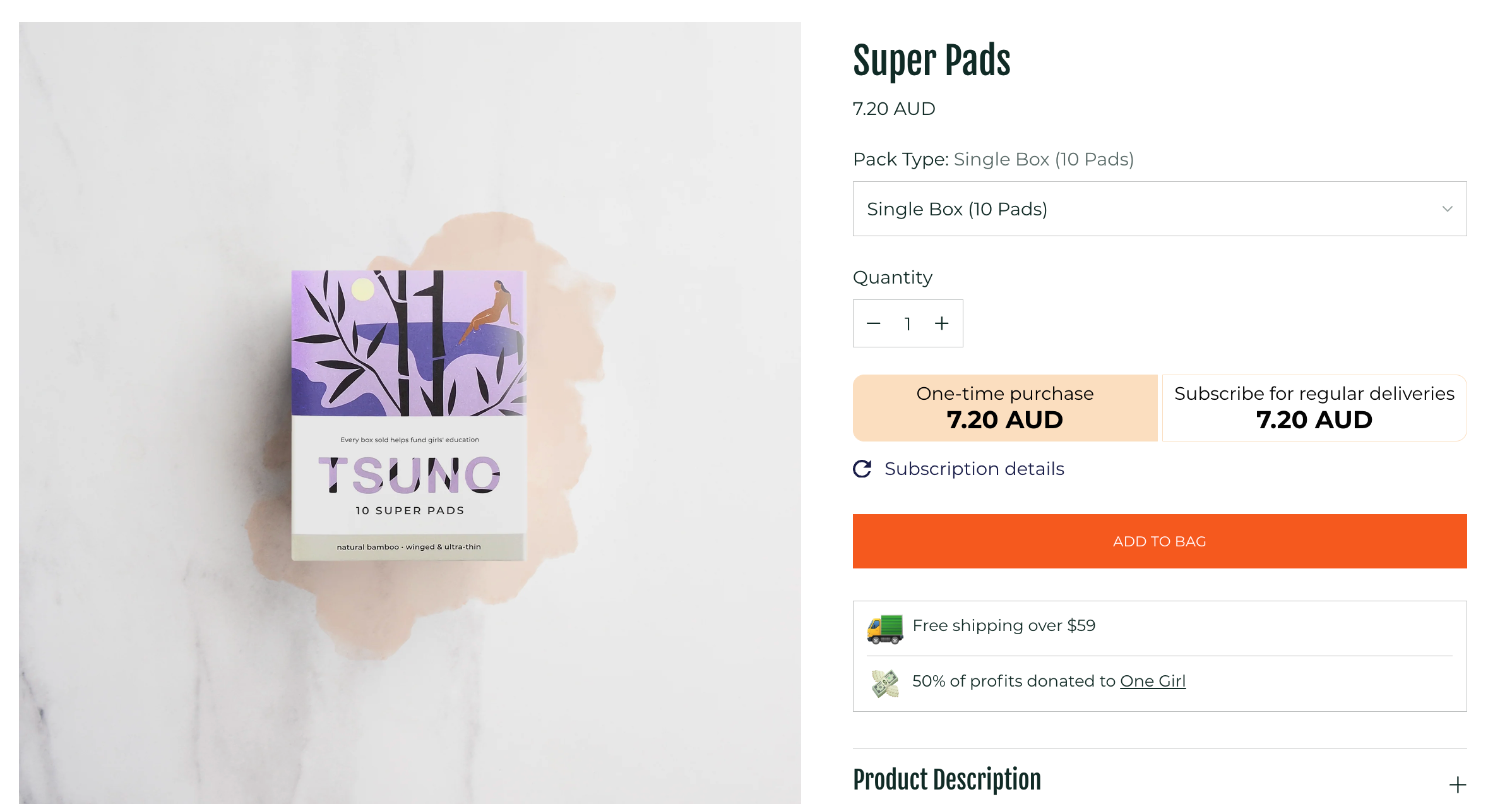
Tsuno founder Roz Campbell saw an opportunity to improve on an everyday personal care item. She not only designed sustainable period products but also created a one-for-one program that donated products to girls in need. She invests proceeds in partner organizations that send girls to school.
13. Attend trade shows and fairs
Understanding the current landscape and your potential competitors is an important step in the product research process. If you already have an industry or product category in mind, seek out trade shows, markets, and other events to conduct competitive analysis and discover good product ideas. Pay attention to which booths are generating the most buzz.
14. Consider personalization
One way to stand out from competition is to offer unique, customized, and one-of-a-kind products. A print-on-demand model allows you to execute this concept for merch like t-shirts and mugs without having to make products or carry inventory yourself.
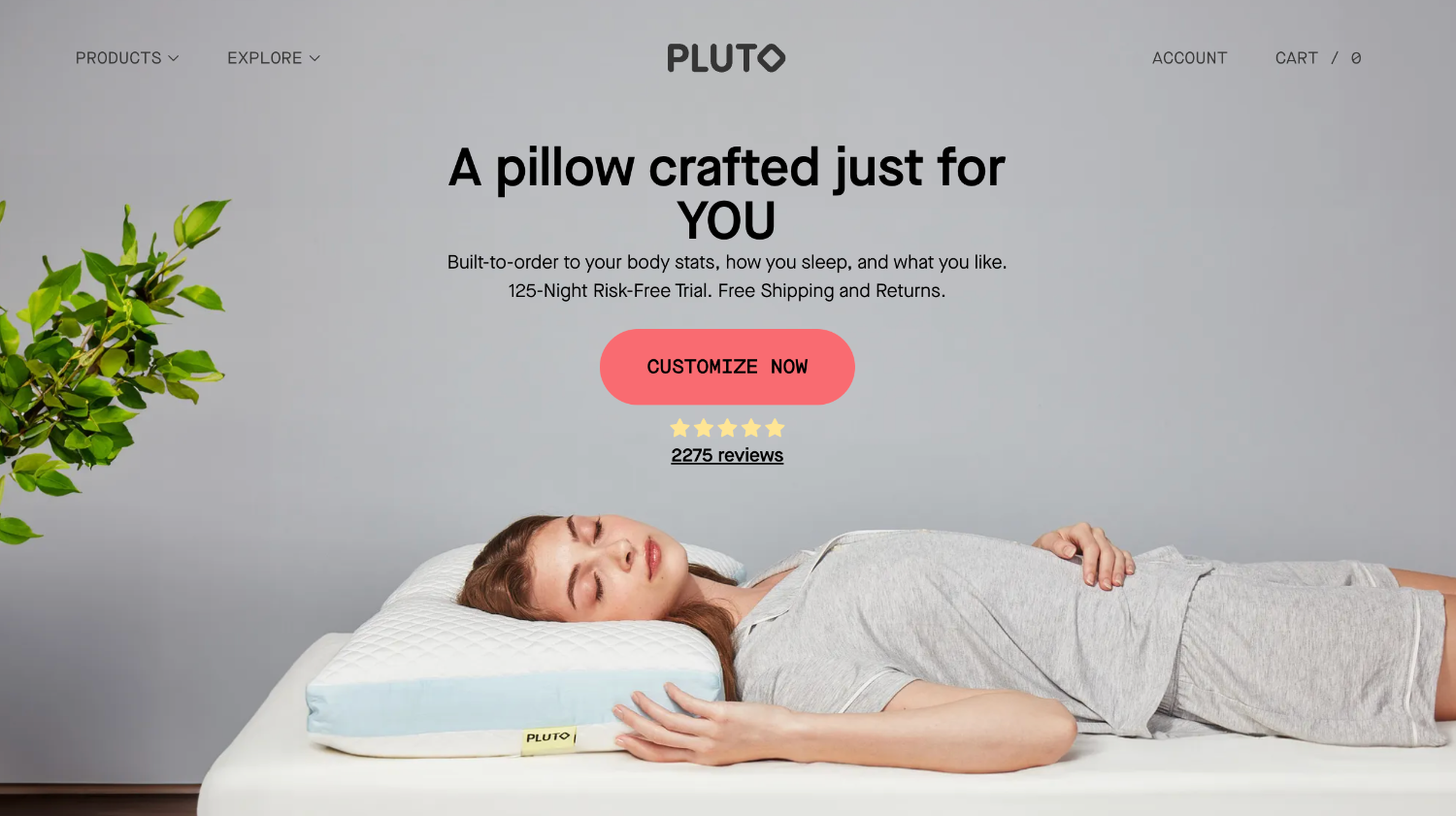
Pluto Pillow jumped on the sleep hygiene trend to reinvent a product in everyone’s home. Their pillows are custom designed to each person’s specifications including sleep position and preferences.
Note: Personalization can extend beyond the product itself. If you’re selling an existing product in a competitive market, stand out by offering a personalized shopping experience around your brand.
15. Analyze international markets
International markets may be the key to the next big thing in your region. Trends in other countries may catch on beyond their borders. Consider the boom of Korean beauty in North America in the early 2010s. Look at regions that typically influence the culture where you live: Can you spot a trend before it catches on?

You can create your own products in the spirit of those popularized in other regions, or you can opt to become a local distributor or reseller for an existing brand. That’s what Gillian Gallant did when she discovered Paper Shoot Camera on TikTok and knew it would be a hit in North America.
16. Get inspired by social change
In addition to sustainable products, companies can demonstrate their values in other ways. Social impact brands can build loyalty with customers who share those values. If you’re selling a common item, tying it to a cause can be a great differentiator between your brand and your competition.

Hippy Feet is a brand selling socks and other accessories, with 50% of profits supporting non-profit partners. Customers buy the brand’s socks not only for the creative patterns and wide variety of options—they also do so because it feels good.
Validating your product idea
Product validation truly happens when you make a sale and confirm your hunch. Still, there is plenty you can do ahead of choosing a product to determine if it will sell.
- Conduct product research. Evaluate the market and your competitors.
- Do market research. Try focus groups, surveys, or even social media callouts to get feedback from potential customers.
- Run the numbers. Does the product have potential to profit? Understand your costs and determine the ideal retail price to find your margin.
- Try a crowdfunding campaign. Securing some level of interest and investment from potential customers before you launch your ecommerce business is undeniably valuable.
- Run a pre-sale. Similar to the above, you can gauge genuine interest from customers by selling the product before you manufacture.
“I’ve always been taught to take smart risks,” says Nancy Twine, founder of Briogeo. “So I knew that if I was going to leave my career in finance to start my own company, I wanted to feel really good about what I was going to embark on.” For her, that meant investing in market research and building the company slowly while she was still employed.
Product opportunities are everywhere
Whether you’ve narrowed in on a product category or you’re starting from zero, there are plenty of places to find profitable product ideas in high demand. Tap into search engines, social media and Google Trends. Look at best selling products from other brands. And, look for trending products or an underserved audience in niche markets.
Once you’ve landed on niche products for your online business, you’ve taken the first step to your future as an entrepreneur. Set up your online store and start investing in digital marketing to reach your ideal customer. You’re ready to start selling products online!
Feature illustration by Isabella Fassler
Read more
- How To Make Your First Ecommerce Sale—Fast (Tutorial 2023)
- How to Start a Dropshipping Business- A Complete Playbook for 2023
- How To Source Products To Sell Online
- 25+ Ideas for Online Businesses To Start Now (2023)
- The Ultimate Guide To Dropshipping (2023)
- AliExpress Dropshipping- How to Dropship From AliExpress
- The 13 Best Dropshipping Suppliers in 2023
- 130+ Dropshipping Products To Sell for Profit
- Is Dropshipping Worth It in 2023?
- 21 Best Selling Print on Demand Products
How to find a product FAQ
How can I find products to sell online?
You can find products to sell in your ecommerce store through a few methods. Product opportunities can come from solving a customer pain point, appealing to enthusiastic hobbyists in a niche market, pursuing your personal passion, leveraging your professional experience, and more. To find profitable products to sell in your online store, be sure to assess product demand and conduct market research.
What are some good sources for product ideas?
You can find products to sell by looking at social media, current trends, successful products from other brands, and search volume on Google and marketplaces. Trade publications or consumer magazines within your desired product categories are also good resources.
Which product category is in high demand?
The product categories in high demand may change over time. Jungle Scout published its list of most popular categories on Amazon in 2024. And Shopify regularly updates its list of trending products. Use this list to determine patterns within product categories. Be aware that high demand product categories may also have tons of competition.
How can I validate my product idea?
You can validate market potential for your product ideas by researching search, social media, and industry trends. Use tools like Buzzsumo and Google Keyword Planner to see what people are talking about and searching for. Evaluate the competitive landscape to identify gaps and opportunities. Meet customer needs by filling those gaps.
What is the most profitable product to sell?
Your profit margin will depend on a number of factors, including your COGS, pricing strategy, amount of competition, and product demand. However, some product categories typically have low costs and high margins. These include beauty, jewelry, and electronics products.