

 Shopify blog

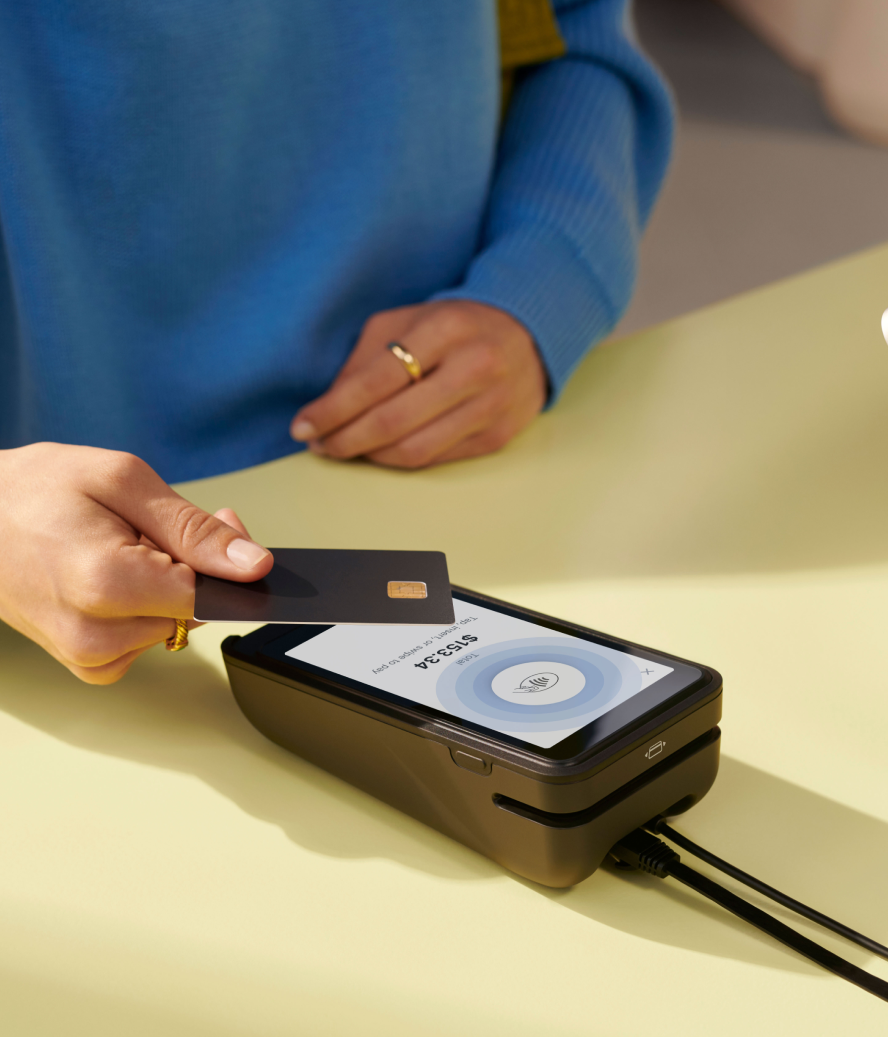

There’s no shortage of ways to pay for things. Tap to pay, mobile payments, and other contactless options are all available to consumers, thanks to a process called payment gateway tokenization.
Payment tokenization replaces your primary account number (PAN)—the 16-digit number on your credit card—with an algorithmically generated “token” that enables a secure transaction. This token has no mathematical relationship to your original card data, making it useless to criminals even if intercepted. The term might sound like something out of a video game, but understanding tokenization is important for store owners.
This guide explains how payment tokenization works, who uses it, and why it matters for your retail business.
What is payment gateway tokenization?
Payment tokenization replaces a primary account number (PAN) with a token that has no connection to original card data.
Tokenizing substitutes one thing for another—sensitive payment information for a random alphanumeric string. The process swaps sensitive data for nonsensitive data to protect payment information from data breaches, fraud, and cyberattacks.
For example, when a customer purchases a pair of socks with a credit card, their PAN gets replaced with a randomly generated token that enables a safe transaction. Meanwhile, their real credit card data remains unexposed and safely stored.
Tokens come in different types depending on who generates them and how they’re used:
- Network tokens. Created by card networks like Visa and Mastercard.
- Merchant tokens. Generated by payment processors for a specific retailer.
- Card-on-file tokens. Store payment details for returning customers.
Each has a different purpose, but all share the same security benefit of keeping card data hidden.
Intercepted tokens are useless to criminals because they can’t reveal original data. No algorithm or key converts a token back to a card number.
Tokenization vs. encryption
Tokenization replaces sensitive information like credit card or Social Security numbers with an alphanumeric ID. This token has no value on its own, and the original data is stored in a protected vault, managed by a tokenization provider, such as a payment gateway or processor.
Encryption, on the other hand, converts data into ciphertext using a key and an algorithm. It’s a way to cloak the information so only authorized parties can access it. After encryption, authorized parties can use keys to decrypt the data.
Both methods protect payment data, but work differently. Encryption protects data during transmission, while tokenization removes sensitive data from store owners’ environments.
| Criteria | Tokenization | Encryption |
|---|---|---|
| Reversibility | Cannot be reversed | Authorized parties decrypt data using the correct key |
| Key management | No keys for management or protection | Requires secure storage and rotation of keys |
| Main use case | Recurring payments and stored credentials | Data transmission and data-at-rest protection |
| Payment card industry (PCI) scope impact | Reduces compliance requirements | Data remains in scope when encrypted |
| If intercepted | Prevents fraud because the data is unusable | Remains vulnerable if the key is compromised |
How does payment tokenization work?
When you use the right retail point of sale (POS) and systems, you don’t need extra resources to tokenize data for secure payments. Card data is secured in a token vault while tokens flow through your systems.
1. Customer initiates payment
Tokenization begins when a customer provides their payment details. The process is the same for online and in-person transactions. It starts when a customer taps a card at a POS terminal, types numbers into an online checkout page, or selects a saved payment method.
2. System generates token
The checkout platform generates an alphanumeric ID, or token, after a customer enters payment data. Platforms generate tokens algorithmically.
This secure process ensures uniqueness and has no mathematical relationship to the original card number. A token like HF6223785T7 can’t be reverse-engineered to reveal the account number 4532-1234-5678-9012.
3. Token links to secure vault
The system encrypts the token and sends it to the store owner’s payment processor.
Processors then match the token back to the original payment data. The system attaches other information to the token, like the payment wallet type or the wallet holder.
A payment gateway or processor stores the payment information in it token vault. It’s the only place that maps tokens to card numbers.
4. Transaction processes with token
Once the encrypted token is received by the store owner’s payment provider, the information is once again encrypted before being sent through the card network to the issuer for authorization, when it’s then cleared and settled.
If the payment is authorized, confirmation of the completed transaction is sent to all parties involved in the process. This includes the store owner, the payment processor, and the customer.
Types of payment tokenization
Depending on who issues the token and how long it’s meant to last, it serves a different purpose in the payment ecosystem.
Here’s how the industry breaks them down.
Network tokenization
When a customer saves a card for future purchases, the card network generates a token tied to the store owner account. Card networks replace the PAN with a token locked to a domain, such as a mobile device or store owner. Retailers also use a payment account reference (PAR) with these tokens.
A PAR is a unique ID linking a customer’s tokens to their account. Retailers use it to track shopper loyalty and purchase history across devices without seeing card numbers.
Network tokens improve authorization rates because card issuers recognize them as secure. Subscription businesses see fewer failed payments and reduced churn.
PCI tokenization
Standard tokenization, or PCI tokenization, occurs at the payment processor level. Payment processors create tokens and store card data in their vaults. Network tokenization moves this process to the card networks.
When a customer saves a card for a subscription or a saved checkout, the payment gateway replaces the PAN with a store owner–specific token.
The token is stored in their database, and the gateway stores the card data in their secure vault. If store owners switch payment processors, these tokens aren’t portable. Customers re-enter card details with the new provider.
Store owner tokenization reduces payment card industry data security standard (PCI DSS) scope because store owners store a reference code that only the gateway understands, rather than sensitive card data.
Who uses tokenization for payments?
As of 2025, Visa has issued more than 12 billion tokens through its Visa Token Service, increasing 44% over the past year.
Several types of businesses use tokenization for in-store and online payments, including:
- Brick-and-mortar retailers. Store customer payment details for checkouts, loyalty programs, and contactless payments.
- Ecommerceretailers. Protect online transactions and offer one-click checkouts and cross-channel shopping.
- Subscriptionservices. Keep a card on file to automate recurring transactions and reduce failures from expired cards.
- Marketplaces. Process transactions for multiple sellers and maintain fraud protection.
- Business-to-business (B2B) companies. Enable secure invoicing and recurring billing for clients.
- Restaurants and hospitality brands. Store payment details for reservations and deposits.
- Financial services. Use tokenization to safeguard transactions and prevent fraud.
Token reusability adds value for brands. After a store owner tokenizes a customer’s card, they use that token for future transactions, removing the need for manual entry.
Benefits of payment gateway tokenization
Security, convenience, and speed are the overarching themes around the adoption of payment tokenization.
Faster checkout
Brands use tokenization to remove friction by eliminating repeated card entry. Baymard’s 2025 benchmark found that 18% of customers abandon checkout when it’s too long or complicated. Tokenization removes security steps and makes transaction confirmation faster.
Tokenization also removes the need to enter shipping details. The token stores this information and populates checkout fields during a purchase.
Security
Tokenization reduces fraud rates by up to 60% and generates $40 billion in revenue globally, according to 2024 data from Visa. Criminals gain nothing useful if a data breach exposes tokenized data. Tokens have no value outside the store owner–processor relationship.
They also can’t convert tokens to card numbers or use them at other stores. Tokens expire according to the token provider’s rules.
PCI-DSS compliance
Tokenization reduces PCI scope because store owners don’t store sensitive payment information. This results in fewer security controls and audits.
Retailers rely on their payment processor’s token vault to protect card numbers instead of building their own security infrastructure.
Simpler data management
Payment tokenization simplifies storing, accessing, and securing payment data. Retailers replace sensitive card details with unique payment tokens to centralize transaction data across all sales channels so they don’t compromise security.
Unified commerce
Unified commerce brings every sales channel together, so customers get a seamless experience no matter how they shop.
Tokenization enables these omnichannel capabilities—a single token works across in-store, mobile, and ecommerce transactions. Customers can start a purchase on their phone and finish it in your store using the same saved payment method.
Where are tokens used?
The following are common tokenization use cases in retail and ecommerce.
Recurring payments
Brands with subscription business models keep cards on file to process payments when they’re due. Tokenization allows recurring payments by storing customer credentials without exposing card data.
Monthly memberships, software subscriptions, and replenishment services generate predictable revenue without requiring customers to re-enter payment details at checkout.
One-click checkouts
One-click checkouts use tokenization to store returning customer data. Retailers keep cards on file to allow customers to finish a purchase with one click.
Shop Pay uses a one-tap function to simplify the checkout process. It’s a feature that reduces checkout friction and the number of abandoned carts. Based on Shopify’s internal measurement of clothing brand Everlane’s performance, Shop Pay has achieved conversion rates of up to 70%.
Contactless transactions
Shoppers using a contactless POS terminal or card reader in a retail store use tokenization during the transaction. Mobile wallets make contactless payments possible and use tokenization to secure transactions.
Mobile wallets like Apple Pay, Samsung Pay, and Google Pay use tokenization to safeguard transactions.
Digital wallets send data to your card network after you upload credit card information. The network then replaces that card data with a token. They send that token back to your mobile wallet for use in transactions.
Guest checkout
Online shoppers can use guest checkout to purchase without an account. Because these checkouts don’t store payment details, shoppers enter card information for every transaction. Repeated manual entry increases the risk of data exposure.
Is payment tokenization right for your retail store?
Retailers use payment tokenization to add security to their online and in-person transactions. The process protects customer data and reduces the risk of data breaches.
The payment card industry is moving toward a tokenized future. Mastercard has set a goal to reach 100% ecommerce tokenization in Europe by 2030, effectively eliminating the need for manual card entry.
This shift is merging tokenization with other modern tech, like Passkeys and biometric customer authentication such as FaceID, creating a secure ecosystem where every transaction is tokenized and authenticated with a single tap or click.
Read more
- What is EMV and Why Should Merchants Use It?
- What is a Shop Till? (+ How to Use One in Your Retail Store)
- EMV Chip Cards are Coming to the U.S. (Here's What Merchants Need to Know)
- Card on File Transactions: How to Process Subscriptions & Recurring Payments on Autopilot
- Chip Credit Cards and Payment Transactions: What Merchants Need To Know
Payment tokenization FAQ
What is an example of payment tokenization?
When customers enter card numbers at checkout, the system replaces the primary account number (PAN) with an alphanumeric ID called a “token.” Businesses store and use these tokens for one-click checkout or recurring billing. Payment providers store the original PAN in a secure token vault.
What is the main benefit of a tokenized payment solution?
Tokenized payment solutions increase security because they replace sensitive payment data with unique identifiers. The token works for future transactions, so customers don’t have to enter sensitive data for every purchase. Tokenizing payments helps brands keep customer data private.
How does tokenization enhance payment security?
Tokens secure transactions by replacing the 16-digit PAN with a random identifier.
The token has no mathematical link to the original card data, so criminals can’t reverse-engineer the code if they intercept it. Even if a data breach occurs, the stolen tokens are useless outside the specific store owner–processor relationship.
Can payment tokens be reused for future transactions?
Brands use merchant and network tokens to store customer credentials for recurring billing and one-click checkouts. It allows subscription services to process monthly payments without requiring customers to re-enter their card details.
Do mobile wallets use payment tokenization?
Mobile wallets like Apple Pay and Google Pay use tokenization to protect every transaction. When a user adds a card to their phone, the card network replaces the sensitive data with a token. The wallet then uses that token for contactless payments at a point-of-sale (POS) terminal instead of sharing the actual card number.

