A thrift store is a specific type of retail business that resells used goods at discounted prices. Also known as a secondhand store or charity shop, thrift stores can sell anything from vintage clothing to unique antiques.
Opening a thrift store is a great business opportunity, particularly if you don’t have much money to get started or work a full-time job. Not only can you source secondhand products for much cheaper than they’d be brand new, but you can build community and serve those in your local area who might not have the money to buy new.
With a thrift store, you’ll also participate in the circular economy and prevent waste, because products you’re reselling won’t end up in a landfill. And you’ll tap into the global secondhand apparel market that’s predicted to hit a $367 billion valuation by 2029.
Want to start a thrift store, but unsure where to begin? This step-by-step guide walks you through the process of opening a thrift shop, starting with the foundations and ending with your store launch.
How to start a thrift store: A step-by-step guide
- Define your niche and research the market
- Choose your business model: for-profit vs. non-profit
- Develop a thrift store business plan
- Calculate startup costs and secure funding
- Register your business and get licenses
- Find a suitable store location and lease a space
- Source your second-hand inventory
- Set up your thrift store layout and design
- Price your items for profitability
- Set up your point of sale system
- Hire retail staff if needed
- Market your thrift store
- Host a grand opening event
- Establish store operations and manage inventory
1. Define your niche and research the market
Market research gives you a good indication of how successful your thrift store will be. Check whether the demographics in your target location fit typical thrift shopper profiles. You could survey people who live in the area or use demographic data (such as median age or income level) as a way to prioritize potential locations.
But don’t feel you have to limit yourself to an area where thrifting is popular among the locals. If your shortlisted retail location is a tourist destination, you can capitalize on bargain hunters willing to travel for unique finds.
Use your research to identify a thrift store niche—something you want your store to be known for. This foundation shapes everything from marketing to inventory sourcing. Popular thrift store niches include vintage, furniture, and children’s clothing.
2. Choose your business model: Nonprofit vs. for-profit
Your next step is to choose whether to open a nonprofit versus for-profit thrift store. If your primary goal is generating profit from your thrift store, consider a for-profit business structure such as an S corporation or LLC. Both offer legal protection by separating your personal assets from your new business, and you can withdraw profits after taxes.
Nonprofit thrift stores operate differently from standard businesses. You can’t withdraw profit for personal use—all revenue must support a charitable mission, whether that’s funding a local charity or creating jobs in your community. Nonprofits typically source inventory through donations, and face distinct legal/tax requirements, including applying for 501(c)(3) status.
3. Develop a comprehensive business plan
A business plan is a document that details the overarching vision of your thrift store business. It’ll show your end goal and how you plan to get there, acting as a roadmap for you to grow the business once you’ve set it up.
As part of your thrift store business plan, cover aspects such as:
- Your brand story and the values you stand for
- Market research
- Thrifted products you’ll sell, including your niche
- Financial plan
- Marketing plan
- Logistical and operations plan
4. Calculate startup costs and secure funding
The average small business owner spends $39,210 to open a retail store. Product-related costs are the biggest expense, though thrift store owners can fall significantly below this average. If you’re accepting donations, you don’t have to pay for excess inventory.
Other startup costs to consider in your store business plan include:
- Retail space, including rent, maintenance, and utilities
- Permits, licenses, and insurance
- Fixtures and fittings
- Point-of-sale (POS) system
- Advertising and marketing
- Staffing costs
If you don’t have the money to start a thrift store, consider startup funding options like bank loans or community grants. Grant issuers might be more inclined to fund thrift stores because they encourage more sustainable shopping habits.
5. Register your business and get licenses
Registering your new business is a monumental milestone in any entrepreneur’s journey. Start by visiting the U.S. Small Business Administration website, which provides state-specific guides for registering your business. For nonprofits, the process involves filing an application for tax-exempt status, such as a 501(c)(3), with the IRS.
As soon as your business becomes officially registered (either as a nonprofit or an LLC or S-corp), you’ll have extra legal protection since the thrift store and you are two separate legal entities. It also offers tax benefits—things you buy to open and maintain the thrift store can be written off as expenses.
You’ll also need retail insurance to protect yourself against any legal problems once the store is up and running. Check that you’re covered in case shoppers are injured in your thrift store, if you’ve accidentally sold a product that’s unfit for purpose, or if your store is broken into.
Finally, check whether you need a general business license or sales tax permit (sometimes known as a seller’s permit) to open your thrift store. Brick-and-mortar businesses in regulated niches, such as those selling age-restricted items like tobacco or alcohol products, need special licenses before they can set up shop.
6. Find a suitable store location and lease a space
There are three words that are crucial when opening any retail business: location, location, location. Where you set up shop influences the marketing you’ll have to do to get people there.
A high-traffic location significantly reduces the amount you’ll have to spend on marketing. An engaging window display could be all you need to convince passersby to visit your thrift store. That said, high-traffic areas like shopping malls aren’t always accessible. Some people might prefer to visit thrift stores that are easily reached by public transportation or that have parking outside.
Here’s a handy shortlist of things to consider when scouting a retail location:
- Is the store accessible?
- Is the area safe with a low crime rate?
- How often do businesses tend to last in this area?
- Are there any zoning regulations?
- Will you be competing against many thrift stores within the local area?
Once you’ve found a potential physical store that meets your criteria, contact the agent to arrange a viewing. Check that there’s enough space to handle stock, process donations, and set up a checkout desk.
7. Source your secondhand inventory
To make a profit through your new thrift store, you need to source inventory for a lower price than you’ll sell it for. This is a tricky task—the usual route of buying new products from a wholesaler doesn’t fit the thrift store model.
Places to source cheap inventory for your thrift store include:
- Donations: Ask customers to donate their unwanted items to your store. You could set up a donations area in the store, place collection bins around the local area, and partner with local businesses who can collect donations on your behalf. It’s a great way to get free inventory.
- Estate sales: People might sell the contents of their homes if the homeowner has passed away, are downsizing, or are relocating in an estate sale. You can find unusual or high-value goods that people don’t want to donate, while still negotiating with the owner to secure a lower price.
- Flea markets or garage sales: Find your local flea market or community garage sale to pick up secondhand items that you can sell through your own online thrift store. You can find hidden gems here, particularly if they’re hosted in affluent neighborhoods.
- Auctions: High-value items often go to auction and are sold to the highest bidder. If you want to open a luxury thrift store or sell antique items, find your local auction house and place a bid on the inventory you want to resell. Just remember that you’ll need to add your own markup when reselling, so go a little under the price you estimate you could sell it for.
- Consignment programs: This happens when you sell items on behalf of someone else (for example, another local business) instead of buying it outright. Profit is split between the consignee and the consignor once the item sells.
Beyond traditional donations and estate sales, build relationships with local junk removal services, apartment managers, and professional organizers. These people often have access to high volumes of unwanted items you can source for your thrift store to keep inventory fresh.
💡Tip: Once you’ve sourced products, add them to your inventory management system (IMS). Shopify POS lets you store product data—including titles, product descriptions, prices (including promotions)—in one central operating system, so it’s consistent anywhere you sell.

8. Set up your thrift store layout and design
Before you start welcoming people into your thrift store, think about the shopping experience you want to provide. A great store layout—one that makes people feel welcomed and at ease when they’re thrifting—doesn’t just attract foot traffic, it increases sales.
While there is no “best” way to optimize your retail store layout, there are some general guidelines to help you maximize floor space:
- Create an eye-catching window display that showcases your best thrifting finds.
- Avoid placing inventory in the first 5 to 15 feet of the opening—this is known as the “decompression zone.”
- Incorporate breaks or stopping points to prevent people from breezing through too quickly and overlooking merchandise.
- Make the checkout desk easy to locate with retail signage.
- Place inventory that could be an impulse purchase, such as low-value items, near the checkout area for people to pick up while they’re waiting in line.

9. Price your items for profitability
Pricing secondhand goods can feel like a minefield. You’re likely selling inventory for less than the recommended retail price (RRP), but you still need to make a profit on any goods you sell.
As for pricing individual items, consider:
- Quality: If there are obvious signs of wear and tear, you might charge significantly less than the RRP. Quality items can demand a premium.
- Demand: If a particular item is in demand (and supply can’t keep up), add a premium to the product price.
- Condition: On rare occasions, the item might be worth more than it originally sold for—particularly if it’s a rare or vintage find. If you find a vintage designer purse, for example, there might be collectors who will spend extra money on a thrifted item to add to their collection.
Remember that profit doesn’t just mean covering the cost of buying each product. Factor in operating costs—such as store rent, point of sale subscriptions, and marketing costs—into your retail pricing strategy to ensure you turn a profit once you’ve covered your store expenses.
10. Set up your point-of-sale system
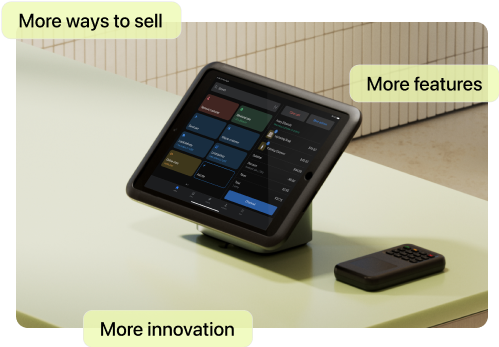
A point-of-sale system is a type of technology that can manage your store operations and process transactions from customers. You can use it to manage inventory, collect customer data, arrange staff rotas, ring up orders, and process payments through a compatible card reader.
Shopify POS has everything you need to get up and running. The mobile app allows you to turn any device into a POS system. Simply download the iOS or Android app, find a card reader from the Shopify hardware store—or use Tap to Pay—and start ringing items from anywhere in your store.
The best part? If you want to open a successful thrift store and sell online through your own website or online marketplaces, Shopify gives you one source of truth for your inventory, customer, and order data. No more selling items that are out of stock—which means more happy customers.
11. Hire retail staff if needed
There are many moving parts associated with running a thrift store. It’s not always possible to do it all yourself, hence why some entrepreneurs hire retail staff before their store even launches.
Jot down the responsibilities you’ll have when the store opens and whether you’ll have the capacity (or enthusiasm) to do them. A sales associate is a good first hire if you’re not quite sure. They can pick up any extra tasks around the charity shop, such as:
- Assisting customers
- Ringing up items on the point-of-sale system
- Setting up product displays
- Providing excellent customer service
- Replenishing inventory
- Cleaning the store
💡Tip: The right POS system makes it easy for staff to breeze through checkout and serve more customers in less time. Shopify POS has a user-friendly interface that integrates with other sales channels—including your online store and marketplaces like Etsy—giving you just one platform to train new team mates on.
12. Market your thrift store
Retail marketing spreads the word about your new thrift store and convinces people in the local area to visit. A great marketing campaign communicates your value proposition, showcases the products available to buy, and gives an incentive for people to visit.
Try these marketing ideas to get people excited about your store:
- Host retail promotions, such as giveaways or flash sales.
- Use direct mail, such as posters or leaflets delivered to people in the local area.
- Create social media profiles for your new store to tease new inventory.
- Ask local influencers to talk about your store in exchange for a free item.
- Get press coverage in local publications or magazines.
- Launch a customer loyalty program to turn first-time visitors into repeat customers.
- Open up buy online, pick up in-store (BOPIS) fulfillment for customers who want to shop online and avoid shipping costs.
13. Host a grand opening event
Get people excited about the upcoming launch of your own thrift store with a grand opening. The one-day event builds buzz in the local community and gets people excited about the new thrift shop.
You could attract customers by:
- Hosting a contest or competition
- Tapping into experiential retail by turning the event into a party with food, drinks, and music
- Inviting local influencers or celebrities to attend
- Giving the first 20 visitors a free product or a generous discount
- Partnering with a local charity and donate a percentage of profits on the day
Consider giving people an extra incentive to come back after the grand opening. For example, you could offer opening day attendees a free $5 store credit voucher to redeem on their next purchase. This not only gives potential customers a reason to attend, but a reason to come back once the hype from the launch wears off.
14. Establish store operations and manage inventory
Set your thrift store up for success by implementing procedures that keep the store running efficiently. These retail operations make sure the customer experience is consistently great, and that you don’t spend too much money on unnecessary tasks.
Once your thrift store is open for business, document retail operations like:
- How you’ll manage incoming inventory (particularly donations)
- Your approach to customer service and staff training
- Opening and closing procedures
- Payment methods you do and don’t accept
- Returns and exchanges
Let’s put that into practice and say you don’t currently have an opening procedure—a checklist of tasks to complete before the store opens every day. Sometimes you forget to turn on the POS system so the first customer has to wait; other times you forget to wipe down surfaces so the store looks unclean.
💡Tip: Shopify’s unified commerce platform turns your POS into a centralized operating system for your entire business. Independent research found retailers using Shopify POS report 20% faster implementation time and 89% lower annual third party support costs, leading to an average 8.9% uplift in their gross merchandise value.
A well-documented opening procedure, however, makes sure that these tasks are done every day, no matter who is on shift.
Pitfalls to avoid when opening your own thrift store
There’s a lot to consider when starting a thrift store. Poor decisions early on can make the path to profitability much harder.
Common pitfalls to avoid when starting a thrift store business include:
- Choosing the wrong location: Thrift store owners that set up shop in areas with a demographic of people who are unlikely to thrift, or stores that are out of town, have an uphill battle. Market research and competitive pricing analysis can help.
- No inventory-management processes: Thrift stores tend to have one of every product. When it’s sold, it’s gone, which makes inventory management much harder. Use a thrift store inventory-management tool like Stocky to show real-time availability, which is especially important if you’re selling through the retail store, ecommerce website, marketplaces, and through social media storefronts.
- Ineffective pricing: You likely started a thrift store to make money, but people tend to shop for secondhand items when they’re on a budget. It’s difficult to find a happy medium and takes trial and error.
How to start a thrift store FAQ
How profitable is a thrift store business?
Opening a thrift store can be profitable, particularly if you’re sourcing inventory from donations. There’s no cost to buy goods. You’ll just need to price the item to cover operating costs like marketing, store rent, and business insurance.
How to start a thrift store business?
- Research the market
- Choose a niche
- Develop a business plan
- Register your thrifting business
- Find a suitable retail location
- Source secondhand inventory
- Optimize your thrift store layout
- Price your inventory
- Hire retail staff
- Set up a point of sale system
- Market your thrift store
- Host a grand opening event
- Manage thrift store operations
Is thrifting a good way to make money?
Thrifting is a great way to make money, provided you have an eye for sourcing in-demand items at a low price. You can then add your own markup and draw a profit once you resell the product.
How to start a thrifting business with no money?
- Ask for donations
- Attend estate or garage sales
- Sell your own stuff
- Apply for community grants
- Get a business loan
What thrifted items sell best?
- Designer clothing
- Children’s toys
- Furniture
- Books
- Board games
- Vintage clothing
- Costume or retro pieces
- Sporting goods
Can you make money from thrift stores?
You can make money from thrift stores by sourcing low-cost or donated items and reselling them at a profit. How much you’ll make depends on your niche, pricing strategy, and inventory sourcing methods.