

 Shopify blog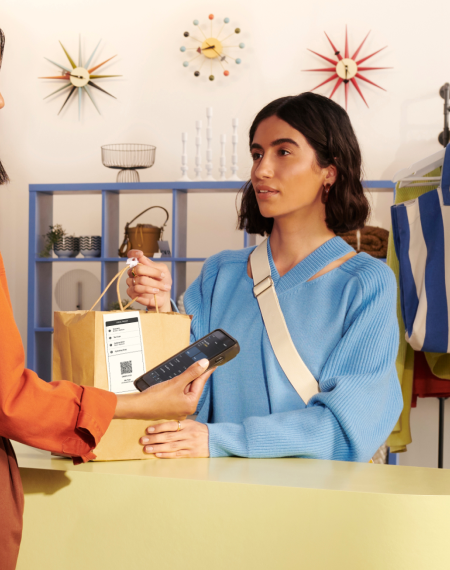
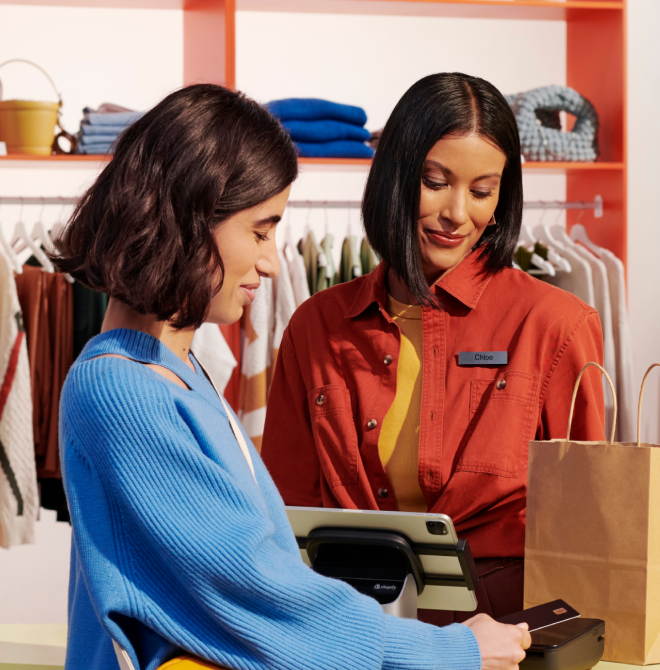
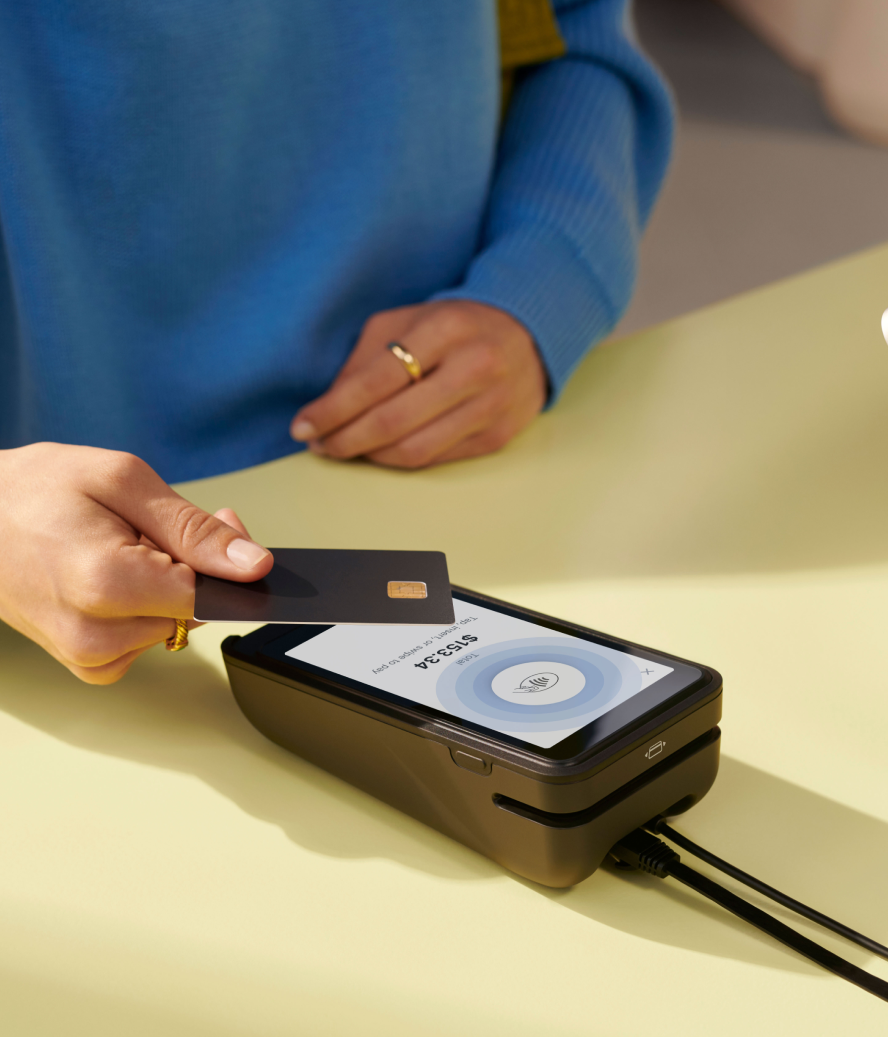

A point-of-sale (POS) loyalty program is a customer rewards platform integrated into a business’s checkout system.
Adding a loyalty rewards to your POS can support growth across channels. Baby furniture retailer Bambi Baby unified its online and retail operations with Shopify POS and integrated loyalty rewards across channels. Within four months, the retailer saw 30% growth in conversion rates, 30% growth in average order value, and increased repeat purchases and customer lifetime value due to an integrated loyalty program.
This guide covers what a POS loyalty program is, what to consider when choosing one, and how to create one.
What is a POS loyalty program?
A POS loyalty program connects with a point-of-sale system so that you can enroll shoppers to earn and redeem rewards. These programs can include points-based systems, tiered rewards, cash back, and exclusive experiences. They incentivize and reward customers for repeat business.
Managing a POS loyalty program requires software like Shopify POS, which consolidates data into a single customer profile. This eliminates manual tracking and reconciliation across online and retail stores. The system automatically updates the profile with earned points after each purchase.
Shopify POS doesn’t have built-in loyalty tools. Instead, you can connect third-party loyalty apps like Smile.io or Marsello from the Shopify App Store. These apps let shoppers collect and redeem points whenever they shop online or in store.
How POS loyalty programs work with Shopify
POS loyalty programs connect businesses and customers through a four-step cycle that turns a first-time shopper into a repeat buyer.
- Enrollment. During checkout, you add the customer to the sale and enroll them using a POS loyalty app. This action creates or updates the customer’s profile directly in Shopify POS.
- Earning. When a customer completes a purchase, the loyalty app calculates and adds points based on your specific rules, like points per dollar spent.
- Tracking. Shopify POS customer profiles store transaction history, while the loyalty app tracks real-time point balances. On a return visit, you can look up the profile to see available rewards.
- Redemption. You apply eligible rewards, whether that’s a discount or a free item, directly to the cart through the app’s POS integration.
Benefits of a POS loyalty program
Business owners focus on customer retention to increase customer lifetime value (CLV) and minimize churn rate (the rate at which customers stop returning to your business). A POS loyalty program can help you strengthen customer relationships and gain valuable insights into their behavior and preferences.
These are some of the benefits:
Data and insights
A POS loyalty program tracks customer data. The POS software stores this information in unified customer profiles, including purchase history, customer lifetime value, purchase frequency, and favorite products.
Store owners can then use that data to help build marketing and email campaigns. It can provide a better customer experience by delivering targeted offers and personalized promotions.
According to the November 2025 Shopify Merchant Survey,* fewer than half of established store owners track profit margin, average order value, or conversion rate. A POS loyalty program closes this gap by automatically collecting these metrics for your most valuable customers.
When you use Shopify, you also get access to customer data management (CDM) by default. Wherever a customer shops, the data you collect feeds back into a customer profile that’s the foundation for personalized in-store and online experiences.
Performance tracking
Store owners use POS loyalty systems to track program performance. For example, the total number of enrolled customers measures signup volume, and the percentage of sales from loyal customers tracks repeat business. A 2025 case study found that loyalty-specific emails see an average open rate of 51%, compared to 14% for generic newsletters. Taken together, these metrics can help connect your loyalty program to customer lifetime value.
According to the November 2025 Shopify Merchant Survey,* high-revenue Shopify store owners (more than $1 million per year) are six times more likely to track customer acquisition cost than those making less than $100,000, and 44% track return on ad spend. A POS loyalty program gives you the data infrastructure to monitor these advanced metrics without building custom reporting.
Higher order values
Successful customer loyalty programs encourage repeat purchases and incentivize shoppers to spend more than planned. An exclusive discount on a higher-priced item, for example, can prompt a purchase.
According to a POS Systems Guide case study, the average transaction value for loyalty members is 25% higher than for non-members, and their projected customer lifetime value is three times higher.
Increased customer retention
A POS loyalty program drives repeat business by turning one-time shoppers into regular buyers. According to the 2025 case study, customer retention increases by an average of 35% in the first year after a business implements a loyalty program. The data also shows that loyalty members visit stores 40% more frequently than non-members.
These programs solve a common hurdle in retail. The November 2025 Shopify Merchant Survey* found that finding and keeping customers is the single biggest challenge retailers face. In their first year, 36% of established Shopify store owners cite finding customers as a top challenge, and 37% cite marketing. A POS loyalty program addresses both issues by turning one-time buyers into repeat visitors who cost nothing to re-acquire.
6 popular types of POS loyalty programs
Selecting the right loyalty model helps retain customers and increase sales. Six loyalty program structures to consider are:
- Points-based POS loyalty program
- Tiered POS loyalty program
- Cashback POS loyalty program
- Subscription-based POS loyalty program
- Punch card POS loyalty program
- Partner program
Points-based POS loyalty program
Good for: Apparel brands, cosmetics retailers, and businesses with varied product catalogs.
Points-based loyalty programs are a structure used with Shopify POS and loyalty apps. Customers earn points on purchases and redeem them for rewards such as discounts, free products, early access, or other member perks.
For example, stationery brand Milligram saw a 32% increase in revenue after switching to Shopify POS and relaunching its Friends for Life loyalty program using Yotpo. This integration lets shoppers collect and redeem points online and in physical stores.
“Finding the right POS system to integrate with our ecommerce system and loyalty program has been a big part of our journey improving as a physical retailer,” says founder Scott Druce. After launching their points-based system, Milligram saw a 12% increase in average order value from shoppers using both channels and 16% growth in in-store revenue.
Tiered loyalty program
Good for: Luxury retailers, boutique brands, and businesses with high average order values.
Tiered loyalty programs can also work with Shopify POS integrations like LoyaltyLion. Members are grouped into levels based on spending thresholds or purchase frequency, with higher tiers unlocking more valuable rewards.
Cashback loyalty programs
Good for: High-volume retailers and electronics brands where price sensitivity influences purchase decisions.
Cashback loyalty programs return a percentage of the purchase total to the customer. Brands issue store credit or gift cards instead of physical cash.
Subscription-based loyalty programs
Good for: Businesses with regular replenishment cycles, such as pet supplies or wellness brands.
Subscription loyalty programs can be offered through apps that support paid memberships or recurring benefits, like bLoyal. Members pay a recurring fee in exchange for perks such as exclusive offers, early access, or premium service benefits.
Punch card POS loyalty program
Good for: High-frequency, low-cost businesses like quick-service restaurants, coffee shops, and hair salons.
Punch card programs track repeat purchases by awarding a digital stamp for every transaction. For example, a café might grant a free beverage after nine qualifying purchases. You can create digital punch cards with a Shopify POS app like Loyalzoo.
Partner program
Good for: Independent local retailers looking to expand their customer base.
Partner programs, also known as coalition programs, combine multiple complementary brands into a shared rewards group. Customers earn points at one store and can redeem them at a partnering business.
How to create a POS loyalty program
Follow these steps to create a POS loyalty program for your store, whether you’re launching your first program or upgrading an existing one:
- Choose a loyalty app
- Design your rewards program
- Train retail staff on rewards management
- Invite customers to join the POS loyalty program
1. Choose a loyalty app
Choose loyalty software that integrates with your POS system. The Shopify App Store is home to several apps that can add loyalty functionality to your sales channels.
Popular loyalty apps for Shopify POS include:
- Marsello. Combines loyalty with email marketing and customer segmentation for a unified approach.
- Smile.io. Provides a straightforward system for points, referral links, and VIP tiers.
- Yotpo. Syncs customer rewards with product reviews and referrals.
- Growave. Combines rewards, reviews, wish lists, and social logins into a single app.
- TrustWILL. Tracks mobile-friendly rewards (even if your store’s internet drops).
When choosing a loyalty app, you’ll want to consider:
- Budget. Decide if you want a flat monthly fee or a plan that scales alongside your order volume.
- Program style. Choose between basic points-for-purchases or multi-tiered VIP rewards and referrals.
- Staff usability. Look for a clean interface so retail employees can check point balances and apply rewards at checkout.
- Feature scope. Decide if you want a dedicated loyalty tool or a platform that combines rewards with reviews and wish lists.
Clothing retailer Mizzen+Main, for example, integrates Yotpo with Shopify. The connection allows customers to earn rewards wherever they shop. In-store, retail employees can access a customer’s online account via Shopify POS to view their loyalty points and apply credits to purchases.
“Our retail employees can go into a customer’s account created online and see how many loyalty points they have and then apply their credits to their account,” says Natalie Shaddick, the brand’s VP of ecommerce. “That would be very difficult to achieve if we didn’t have Shopify for both ecommerce and POS.”
2. Design your rewards program
Set up a clear rewards policy so customers earn and redeem points the same way. Start with a basic framework to simplify the initial launch and help customers understand the program.
Build the foundation using three components:
- Define how customers earn rewards. A dollar-point equivalent is the simplest option, where customers earn three points for every $1 spent. Other options include adding bonus points to high-profit products or in-store purchases.
- Establish the monetary worth of accumulated points. A one-to-one conversion is the easiest to calculate. Tiered structures allow for point accelerators, such as giving VIP customers an extra 10% on their point value.
- Set the rules for how customers redeem rewards. A minimum spend threshold, such as “spend $20 to redeem points,” protects profit margins on rewarded purchases.
3. Train retail staff on rewards management
Retail associates have to handle customer rewards when ringing up orders, create accounts at the counter, and check point balances and apply redemptions to keep checkout lines moving.
The POS you use influences how easy these actions are. Shopify POS displays a loyalty app tile on the Smart Grid through checkout screen buttons called POS UI extensions.
Associates ring up the order, then click the tile to view loyalty details. The dashboard shows the rewards the shopper is eligible to receive, and redeemed points sync with the loyalty account.

4. Invite customers to join the POS loyalty program
Before you roll it out, you’ll want to run a test order to confirm your loyalty app integrates as intended. Then promote the program across multiple channels to encourage customer signups:
- Display in-store signage with QR codes that direct customers to your signup page.
- Share the loyalty program on social media channels.
- Ask retail associates to invite customers to join at checkout.
- Segment VIP customers to send a targeted email invitation.
- Include invitations in automated order confirmations and set a Shopify automation to follow up within 24 hours of enrollment.
- Send personalized invitations to customers who leave positive reviews.
Shopify’s native segmentation features use data from unified customer profiles to divide customers into segments based on shared qualities, such as VIP customers, those who live within a certain radius of your store, or those who have purchased specific products.
Use these segments in Shopify Messaging to send targeted marketing campaigns that provide relevant rewards.
Key POS loyalty app features
Here are the features to look for in POS loyalty program software:
- Unified sales data
- Customization
- Email marketing integrations
- Customer insights
- Customer-friendly rewards dashboard
- Omnichannel loyalty
Unified sales data
Track customer rewards by collecting, storing, and analyzing sales data in one system.
A unified POS system means store owners don’t have to reconcile figures between multiple tools or build spreadsheets. Shopify unifies POS and online transactions so it can track loyalty program performance across all channels.
According to a 2025 Shopify study conducted by EY, businesses using unified commerce features on Shopify POS experience:
- A 22% lower total cost of ownership
- A 25% reduction in annual software subscription and maintenance costs
- An 8.9% increase in gross merchandise value (GMV)
Customization
If a ready-to-use program doesn’t meet your needs, you can choose a customizable loyalty app from the Shopify App Store. Your loyalty program should feel like a natural extension of your brand.
Use POS UI extensions to customize the Shopify POS Smart Grid. Follow the guide from loyalty app partner Marsello to complete this setup.
Email marketing integrations
Connect your loyalty program to email marketing tools like Shopify Messaging, Klaviyo, or Omnisend. These apps can sync customer data to send triggered emails when members reach loyalty milestones.
Customer insights
A POS loyalty program provides data to refine retail strategies. The system tracks customer activity across touchpoints:
- Enrollment timing during the customer journey
- Preferred incentives (e.g., free shipping versus a percentage discount)
- Sign-up channels, including online checkouts and confirmation emails
These metrics reveal patterns around high-performing rewards, engaged segments, and drop-off points in the earning and redemption cycle.
For example, if the data show that most customers register online, shoppers might not realize the program also extends in-store. Store owners can address this by adding in-store signage and prompting store associates to invite customers to join at checkout.
Customer-friendly rewards dashboard
A loyalty app allows customers to enroll in a program and manage rewards without staff help. Shoppers can use the dashboard to view balances, track progress, and redeem rewards without friction.
Marsello, for example, has a customer profile with each shopper’s rewards tier, a reminder of how to earn points, and a virtual card for in-store scanning.

Omnichannel loyalty
An omnichannel loyalty program connects Shopify POS with your ecommerce platform. This integration ensures that members don’t maintain separate balances for online and retail stores.
When you use Shopify, a customer can earn points from a website purchase, review their balance on a mobile app while browsing your aisles, and redeem those rewards at the register using a single account.
Pet supplies retailer Tomlinson’s, for example, runs the Pet Club Annual Membership program using a custom discount app built with Shopify Functions. Customers can earn and redeem rewards both online and in-store, with automatic application of membership discounts on eligible orders.
*Based on a 2025 survey of 500 Shopify store owners conducted in English across Australia, Canada, the United Kingdom, Ireland, New Zealand, and the United States. Respondents were established store owners with two or more years on the platform. Results reflect the experiences of this specific sample and may not be representative of all store owners.
POS loyalty program FAQ
What is the loyalty program app?
A loyalty program app is the software that helps retailers operate customer loyalty programs. They invite customers to join the program, track their purchases, and award eligible points whenever they buy.
What types of rewards are typically offered in a POS loyalty program?
Loyalty rewards can be anything, from discounts, free products, and add-ons to relationship-building perks like sneak peeks into new collections, early access to sales, or an extended return or exchange period.
Can a POS loyalty program be customized to fit my business needs?
POS loyalty programs can be customized to fit your needs. For example, you might specify how many points customers earn on each purchase, the value of those points, and set criteria for how they can be redeemed.
How much does a POS loyalty program cost?
A small POS loyalty program can cost between $0 and $200 per month before reward costs. Advanced plans can reach around $1,000 per month. Smile lists a free plan for businesses with fewer than 200 monthly orders, then paid plans at $15, $79, $199, and $999 per month.
How can POS loyalty program success be measured?
Measure POS loyalty program success by tracking repeat visits, average spend, reward redemptions, loyalty-attributed sales, and return on investment.

