

 Shopify blog
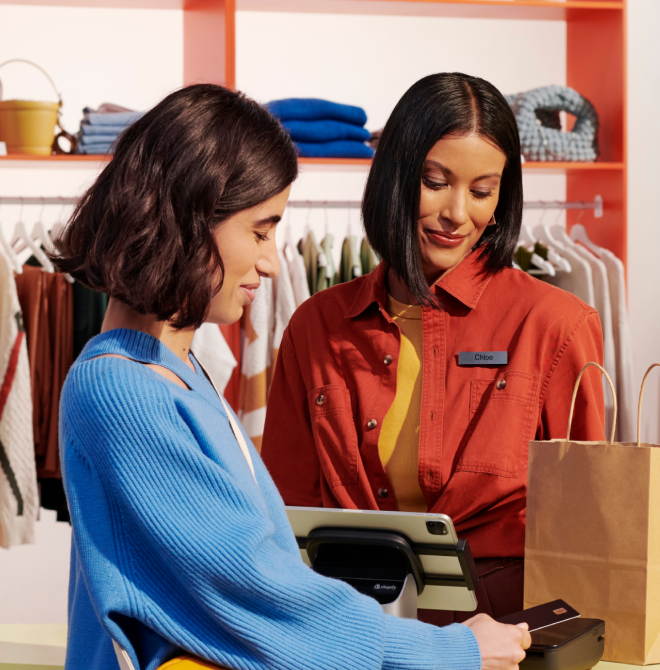
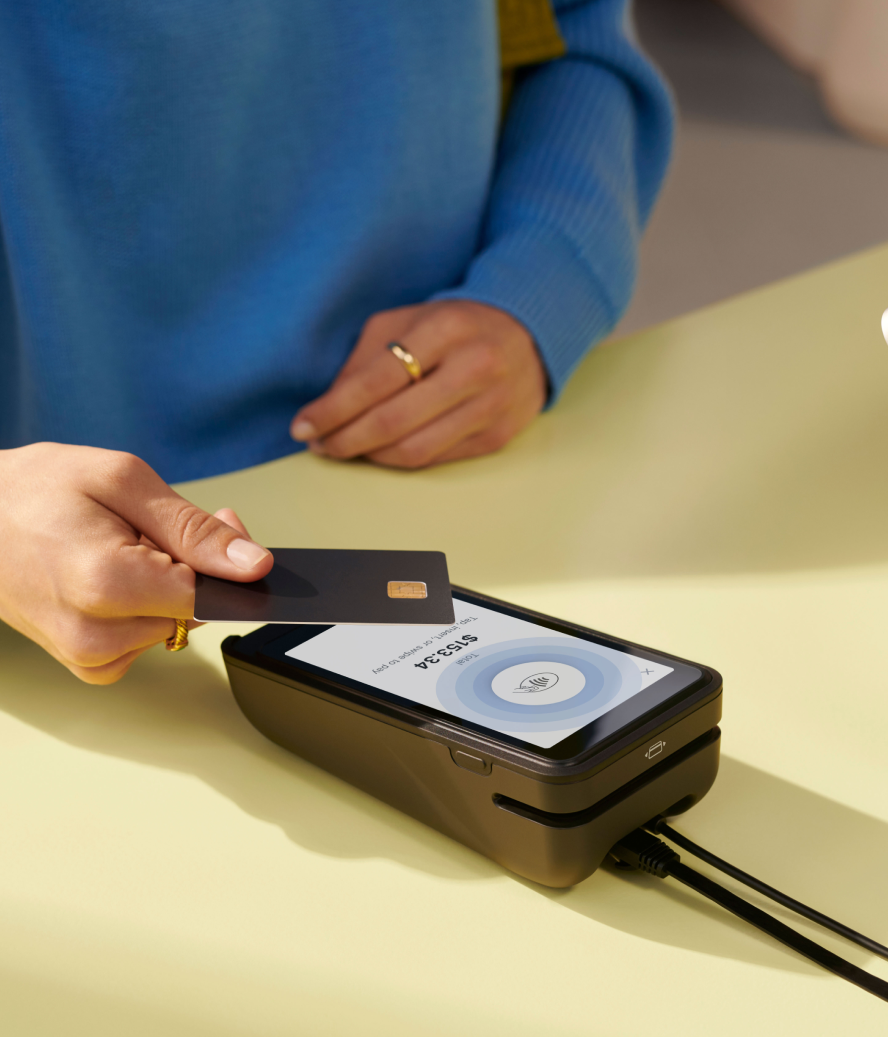

Retail associates greet shoppers, answer product questions, process sales, and support the in-store customer experience. Hiring associates who align with your brand and customer service approach can help create a more consistent shopping experience.
With 70% of retail sales now influenced by digital channels, physical stores remain an important touchpoint for in-person customer support.
Here, learn what retail associates do, which retail associate skills are essential, and how to hire and develop top talent for your store. You’ll get job description templates, interview questions, and insights into how the role has evolved in 2026.
What is a retail associate?
A retail associate is a store-based employee who assists shoppers, processes sales, maintains merchandise, and represents a brand.
Associate positions are entry-level roles suitable for high school students and people new to retail. Retail associates, also called sales associates or retail sales associates, work in department stores, specialty retailers, pop-up shops, and other brick-and-mortar locations.
Your retail associates play a role in the in-person shopping experience, selling products, providing customer service, and maintaining your store’s reputation.
Retail associate versus sales associate

The terms “retail associate” and “sales associate” are often used interchangeably, but there are subtle differences in meaning:
- Retail associate is a broad term. It encompasses store operations and customer service. A retail associate is responsible for assisting customers, staffing the cash register, replenishing merchandise, and dealing with returns and exchanges. They may also be tasked with processing buy online, pick up in store (BOPIS) orders and packing ship-from-store deliveries.
- Sales associates focus on selling. Revenue and conversions are a sales associate’s priority. Their role can include building customer relationships, recommending products, giving product demos, handling complaints, and promoting loyalty programs. They may also be responsible for managing client appointments and outreach. Sales associates often work on commission.
| Category | Retail associates | Sales associates |
|---|---|---|
| Goal | Ensure smooth store operations | Drive sales and conversions |
| Core tasks | Checkout, returns, restocking, tidying, basic questions, order pickup and fulfillment | Needs discovery, demos, recommendations, upselling and cross-selling |
| Product knowledge | Broad familiarity across categories | Deep expertise in key categories and features |
| Tools used | POS checkout, returns, inventory lookup, order management for pickup and shipping | POS with customer profiles, notes, product comparisons, and discount or bundle tools |
| Best fit | High-volume, operationally complex stores | Specialty, premium, consultative, or commission-driven stores |
| Training emphasis | Store processes, operational consistency, and service standards | Sales techniques, product storytelling, and persuasive communication |
In practice, stores may use these terms interchangeably, and a “retail sales associate” at one company might be called a “retail associate” at another.
How retail associates differ from cashiers
Retail associates do a broad range of work. They greet shoppers and answer their questions, recommend products, clean, run the cash register, and more.
Cashiers have a specific, singular role: operating a cash register and handling payments.
How retail associates differ from sales representatives
Sales representatives often work in business-to-business (B2B) environments such as wholesale or manufacturing. They perform specialized roles with longer sales cycles and larger transactions, and may have more control over pricing and negotiations. Retail associates work with the customers who walk into their stores
What does a retail associate do?
Your retail associates are the face of your brand, handling these daily responsibilities:
- Customer greetings
- Inventory management
- Visual merchandising
- Cleaning
- Theft prevention
- Customer assistance
- Loyalty program promotion
- Product recommendation
- Customer checkout
- Store opening and closing
Customer greetings
Retail sales associates are often the first point of contact and customer service.
When your sales associates greet customers, they can:
- Establish a welcoming atmosphere
- Answer shopper questions
- Help customers find specific products
Inventory management
Your retail associates deal with inventory every day. They sell your products and replenish your shelves, so it makes sense for them to track what’s in stock and what needs to be reordered. This is an important role, since inventory accuracy impacts your bottom line.
TIP: Want to manage who can count, receive, and adjust inventory quantities? Set roles and permissions to define what staff can and can’t do when logged in to your POS system, such as accessing its inventory management tools.
Visual merchandising
The art of presentation, or visual merchandising, is as important to retail as it is to cooking. A well-laid-out store aims to create a pleasant retail experience: attractive and easy to navigate, it reflects your brand and is designed to encourage customers to pick up extra items as they shop.
Associates refresh displays and product arrangements, and report customer behavior patterns to inform merchandising decisions.
Cleaning
Sales associates are responsible for keeping your store clean. A daily cleaning checklist can be useful for training to encourage staff to prioritize customer experience and safety top.
Theft prevention
Training associates on theft prevention can help reduce theft. A well-planned store layout and attentive staff also make it easier to monitor the sales floor.
Customer assistance
Answering customer questions is part of a sales associate’s job. Representatives have the opportunity to build relationships while sharing brand and product knowledge.
Train your staff to provide excellent customer assistance by ensuring they have the product knowledge, supplier details, and common customer scenarios to inform their responses.
Sales performance
Retail associates can help you hit daily, weekly, and seasonal sales goals. Their conversations with customers and guidance on product selection can help browsing customers make purchases.
Associates can also keep an eye on trending products, recommend add-ons, and suggest alternatives when items are out of stock. Throughout the day, they can track progress toward goals and share feedback with managers to improve merchandising techniques.
Loyalty program promotion
Since 72% of consumers surveyed by Deloitte say loyalty programs encourage spending, ask your retail associates to promote your loyalty program at checkout.
Train them to explain its value—points earned, early access to product drops, or personalized offers—and to look up unified customer profiles to apply rewards, check point balances, and recommend redemption methods.
Product recommendations
Recommending products is part of a retail associate’s job. They need a good understanding of the products your store sells and the problem-solving skills to determine what customers want.
If a clothing store ran out of white cropped t-shirts, for example, a retail associate might suggest a petite or short version of a regular white tee. They could also recommend a cream or beige cropped t-shirt to tide customers over until new stock arrives.

Customer checkout
Consider training your retail associates to think beyond the basics of running credit cards and cash registers, and to ask customers about their shopping experiences. The quick customer feedback they gather can create opportunities for shop associates to connect and impress.
TIP: Use Shopify POS’s fully customizable checkout experience to create shortcuts to your most-used apps, promotions, and products, to speed up associates’ checkout tasks.
Store opening and closing
A good retail associate arrives on time and sets your store up for success before opening or closing. That means:
- Tidying the sales floor and ensuring presentable merchandise displays
- Restocking shelves and counting inventory
- Verifying that POS stations are operational, and cashier stations are fully stocked
- Handling register cashout, end-of-day reports, and securing the premises
A sales manager oversees or performs store opening and closing. Whomever you decide to allocate this duty to, a store opening and closing checklist is a good idea.
Essential skills for retail associates
A retail associate has a number of soft skills and practical abilities. If you can find someone with a great attitude and the desire to learn, many of these retail skills can be taught:
- Empathy
- Communication
- Sales
- Point-of-sale (POS) experience
- Multitasking abilities
- Basic math
- Time management
- Problem solving
- Teamwork and collaboration
- Maintaining a positive, customer-focused attitude
- Inventory knowledge

Empathy
Empathy means recognizing and understanding others’ emotions and perspectives. Retail associates may need to show empathy to serve customers and work with teammates.
“We spend a lot of time talking about hosting people,” says Natalie Westlake, Bluboho’s VP of marketing and operations, in an episode of Shopify Masters. She advises treating your store like your home and your customers like guests.
Communication
Good interpersonal skills are important in fields involving people.
There are many interpersonal skills you should consider in your associate training: understanding body language, approaching people, and building relationships are all part of communication.
Sales
Retail associates play a key role in sales. Training can help them:
- Genuinely care about customers instead of just hitting sales targets
- Upsell without being pushy
- Cultivate a positive experience for every customer
TIP: Use apps to upsell and cross-sell more effectively. Marsello and Frequently Bought Together integrate with Shopify POS so store staff can easily recommend products based on what they’ve added to a customer’s cart, encouraging larger order value.
Point of sale (POS) experience
Make sure your associates can accurately process customer transactions with your POS system so customer records and inventory tracking stay accurate.
“With a growing team, it is great to be able to onboard new staff members very quickly,” says Paulinho Chin, ecommerce director for Filling Pieces. “The Shopify POS checkout process is intuitive—they watch a video of how the Shopify POS app works, and they’re often good to go.”
Get started: With Shopify, it’s easy to customize your POS system and extend its capabilities. Find apps on the Shopify App Store to help you count foot traffic, launch a loyalty program, and more.
Multitasking abilities
If your customers outnumber your associates, then your associates will need to multitask, especially on busy or high-sales days like Black Friday.
For example, a retail associate at an Allbirds store might have to restock shoes.
Basic math
Associates handle money, count inventory, and provide customers with estimates. Basic addition, subtraction, multiplication, and division skills are skills needed for sales associate positions.
Time management
Retail time management means optimizing individual productivity and maintaining a friendly work environment by not overburdening other team members.
Consider displaying a chart showing how long certain tasks should take and rewarding employees who meet those time markers with gift cards or extra in-store discounts.
Problem solving
Associates need to spot issues early and choose the best next step, whether they’re handling a return, fixing a checkout snag, or finding an in-stock alternative.
Teamwork and collaboration
Floor coverage depends on coordination as associates communicate customer needs, share product updates, and sync inventory observations with leadership so the store runs as one team.
Associates who collaborate well adjust their actions to others’ behaviors, especially during rushes. A team-first attitude creates a workplace culture that can attract and retain high-quality employees.
Maintaining a positive, customer-focused attitude
A customer-first mindset means staying calm, friendly, and solutions-oriented. Associates who consistently assess customer needs and aim for a positive experience cultivate long-term trust.
Inventory knowledge
Sales associates need to know what’s available and what’s not.
Shopify POS includes tools to control and manage inventory across multiple store locations, your online store, and your warehouse. Forecast demand, set low-stock alerts, create purchase orders, know which items are selling or sitting on shelves, count inventory, and more.
How to hire a retail associate
There are several ways to find retail associates that suit your store, including word of mouth, online job boards, or the local paper’s classifieds. Here are some best practices for hiring a retail sales associate:

1. Build a job description
A job description serves two purposes: attracting qualified candidates and filtering out poor fits before they apply. Make sure yours is clear.
Here are the things you should include at a minimum:
- Job title
- Schedule (part-time or full-time)
- Responsibilities
- Minimum age
- Minimum education
- Pay rate
Distinguish must-have from nice-to-have qualifications, since strict qualifications will limit your candidate pool. Here are some ideas:
Must-have requirements:
- Availability to work scheduled hours (including weekends/holidays if applicable)
- Age requirement (18+ for some positions, 16+ for others)
- Basic math skills for handling transactions
- Any fundamental physical duties, such as lifting merchandise
Nice-to-have requirements:
- Prior retail or customer service experience
- Familiarity with POS systems
- Product category knowledge
- Second language skills for serving a diverse customer base
You can use the following job description template. Replace the bracketed sections with your information, adjust the tone to match your brand, and add any unique perks and benefits candidates will receive should they get the job.
[Job title: Retail associate / Retail sales associate]
Location: [City, State] | Hours: [Full-time/Part-time, specific schedule requirements]
About [your store name]:
[2-3 sentences describing your store, brand personality, and what makes working there unique]
The role:
We’re looking for a [friendly/energetic/customer-focused—choose your brand tone] retail associate to join our team. You’ll be the face of [store name], helping customers find products they love while maintaining our store’s welcoming atmosphere.
Your responsibilities:
- Greet customers and provide exceptional service throughout their shopping experience
- Answer product questions and make personalized recommendations
- Process sales transactions accurately using our POS system
- Maintain store cleanliness and visual merchandising standards
- Stock shelves and manage inventory replenishment
- Work towards individual and team sales goals
- Open and close the store following established procedures (if applicable)
Requirements:
- [Age requirement, e.g., “Must be 18 years or older”]
- Availability to work [specific hours/days, e.g., weekends and holidays]
- Strong communication skills and friendly demeanor
- Basic math skills for handling cash and processing transactions
- Ability to lift up to [X] pounds
- [High school diploma/equivalent, if required]
Preferred:
- Prior retail or customer service experience
- Familiarity with POS systems
- Knowledge of [product category, e.g., athletic footwear or beauty products]
- [Other relevant experience or skills]
What success looks like:
- Consistently positive customer feedback and satisfaction scores
- Meeting or exceeding individual sales targets
- Maintaining accurate inventory and transaction records
- Contributing to a collaborative, positive team environment
Compensation and benefits:
- Hourly wage: [$X-$Y per hour, or “Competitive hourly wage based on experience”]
- [List benefits: Employee discount, health benefits, flexible scheduling, growth opportunities, etc.]
How to apply:
[Provide clear application instructions: email résumé, apply online at URL, visit store in person, etc.]
[Your store name] is an equal opportunity employer committed to building a diverse team.
2. Place ads
Place ads on sites and platforms that will reach your target employee. Choose one or more of the following job boards to promote your local job listing:
Here are some additional guidelines to attract quality candidates:
- Stick to titles people actually search. “Retail sales associate” works much better than “sales ninja,” because it’s what candidates type into a search bar.
- Be honest about the schedule. If you need someone for weekends or holidays, say that upfront to prevent mismatches.
- Use inclusive language. Avoid terms like “salesman” or “recent grad.” Keep the focus on the actual work so you don’t accidentally discourage a great candidate.
- Paint a picture of the daily work. Explain how a candidate will greet customers, answer product questions, and ring up sales to help them visualize the job.
- Keep your requirements realistic. Don’t ask for a four-year degree or five years of experience if the job can be learned in a few weeks. You’ll get more qualified applicants if you don’t set the bar unnecessarily high.
- Tell them what happens next. Be clear on how to apply and when they’ll hear back. Saying “We’ll reach out within a week” takes the guesswork out of the process.
3. Interview candidates
Once you get some applicants, it’s time to interview them, since a résumé only tells you where they’ve worked, not whether they would be a good fit for your team.
Refer to the skills and qualifications you’re seeking in an associate when preparing your interview questions. You can ask questions like:
- Tell me about a time you turned a frustrated customer’s experience around. What did they say to you once the problem was solved?
- If someone wants an item that’s totally out of stock, how do you handle that? Walk me through what you’d say to them.
- Say you see someone browsing for about 10 minutes, but they haven’t asked for help yet—how do you approach them without being pushy?
- It’s a busy Saturday afternoon. You’ve got a long line at the register, a customer asking complex questions, and your manager needs you to restock a display. How do you decide what to do first?
- Pick a brand or product you actually love: How would you describe it to someone who has never heard of it before?
- Imagine a customer asks you a specific question about a product you know nothing about. What’s your next move?
- What does great service mean to you personally? Can you give me an example of a time you received amazing service as a shopper?
- Let’s do a quick roleplay. Here is our bestselling product—you have 60 seconds to convince me I need it.
“One of the first things I do is I meet with every single person we are interviewing. Every single person, whether it’s a store role or it’s an office role. I want to meet, I want to know who you are,” says Bluboho VP Natalie.
Actively listen as candidates share their thoughts with you. Look for:
- Real stories with actual details
- A customer-focused mindset
- Someone who naturally talks about supporting their teammates and uses “we” over “I”
- Honesty about what they’re still learning and where they want to improve
- Genuine excitement for the job and your products
4. Extend an offer
The final step in the hiring process is to extend an employment offer to the candidate you believe is the right fit for the job. Attach an employment contract to your offer to protect both you and the potential employee. A contract should include the job description, the salary or hourly wage (including any benefits), and the terms of employment.
When both parties sign the contract, you’ve got a new retail associate.
Career advancement pathways for retail associates
Retail can be a temporary job, but it can also be a stepping stone to becoming a manager or working in corporate.

Here is a typical timeline:
The first steps (6 to 18 months)
At this stage, associates have become reliable team players. There are two main roles they can move into:
- Lead associate: They’re still on the floor, only now they’re training new hires and stepping in when customer situations get complicated.
- Department specialist: They are the resident expert in one area—say the person who knows every technical detail about the electronics or exactly how to style the apparel.
Leadership (1 to 3 years)
For this role, associates move from task fulfillment to ensuring smooth shifts for the whole team. They may end up in roles like:
- Shift lead. They’re trusted with the keys. They handle opening and closing, manage the floor, and keep the team on track.
- Assistant department manager. They handle operational tasks for a specific section, such as merchandising planning or shift scheduling.
Management and beyond (3 to 5 years or more)
At this point, a graduated associate is effectively running the store. They know the ins and outs of the retail outlet, and can step into roles like:
- Store manager. They own the results of the entire location. They’re hiring, budgeting, and ensuring the shop hits its numbers.
- District or regional manager. They’ve moved beyond a single shop and now oversee a group of stores, focusing on the big-picture strategy for the entire region.
- Corporate roles. Many retail vets move into buying (choosing what products to sell) or visual merchandising (designing how stores look across the whole brand).
How to move up the ladder faster
If you’re an associate looking to get promoted—get noticed. Associates who move up faster usually do these three things:
- Crush the basics. Consistent sales and great customer feedback are the best proof that you’re ready for more.
- Cross-train. Volunteer to learn the register, the stockroom, and the floor. The more you understand about various parts of the business, the more valuable you are.
- Lead when it’s busy. When the store is slammed and things get chaotic, stay calm and help your teammates. Managers will remember who kept their cool during the holiday rush.
Read more
- Concrete Ways to Maintain Work-Life Balance as a Retailer
- Stuck in a Rut? 5 Reasons Retailers Should Consider a Business Coach
- How to Implement a Retail Commission Structure at Your Store
- Maintaining the Hustle: How to Stay Motivated as a Busy In-Person Seller
- How To Be More Productive: 10 Hacks For Time-Strapped Retailers
- Commercial Insurance: What Retailers Need to Know When Shopping for Coverage
- Preventing Burnout: 10 Ways to Stay Productive Without Getting Overwhelmed
- Avoiding Analysis Paralysis: How to Prioritize in Your Retail Business
Retail associate FAQ
Is a retail associate the same as a cashier?
No. A retail associate greets customers, answers questions, and helps with tasks like stocking shelves. A cashier focuses on operating the cash register and processing payments.
What’s the difference between a sales associate and a retail associate?
Sales associates focus on selling. They build relationships, recommend products, and hit sales goals. Retail associates split their time between customer service and operational tasks such as restocking shelves and managing inventory.
What is the average salary of a retail associate?
Retail associate salaries vary significantly by location, store type, and experience level. Check current salary data on sites like Indeed, Glassdoor, or the Bureau of Labor Statistics for specific market rates in your area and industry segment.
Do retail associates require any specific qualifications?
While a high school diploma or equivalent is often required, most retail associate roles prioritize skills such as customer service, communication, and basic math over formal education. Some stores may provide on-the-job training.
What questions should be asked when interviewing retail associates?
To see how someone handles customers, solves problems, and fits in with your team, ask about real-life situations. Try asking them to describe a time they improved a frustrated customer’s experience, or how they’d prioritize their work during a busy shift with competing priorities.

